-
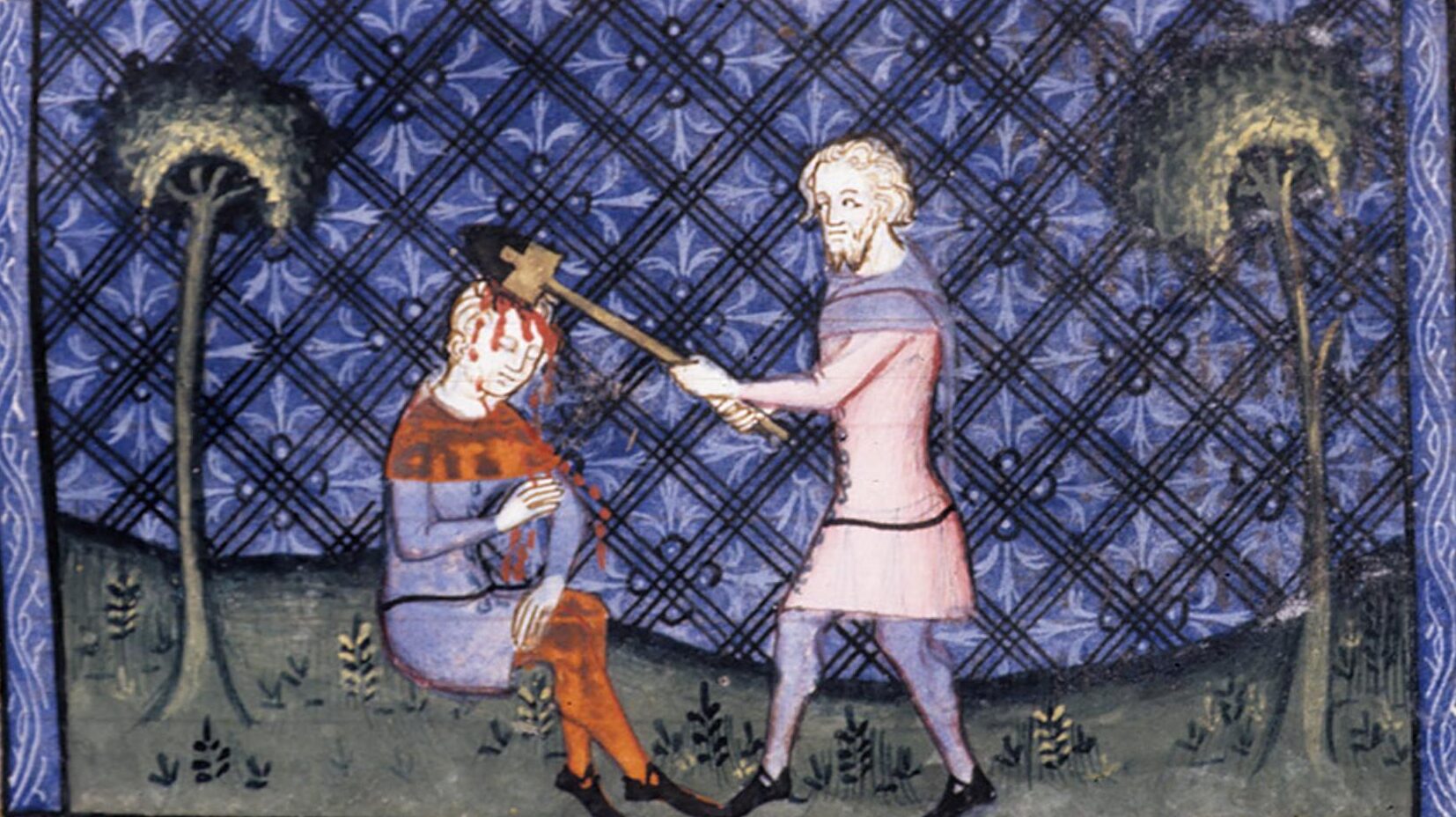
Homicide with List: A Murder, an Inventory, and this Year Opening Steps for Art & Inequality
Read More: Homicide with List: A Murder, an Inventory, and this Year Opening Steps for Art & InequalityThis New Year’s post begins with a homicide. In March 1389, early in the morning, the notary Giovanni Gini and the second-hand dealer (rigattiere) Romolo Bartolini were sent by the Florentine hospital of Santa Maria Nuova to the house of Gemina, located opposite the residence of the noble Agnoli family. Gemina was the third wife and…
-
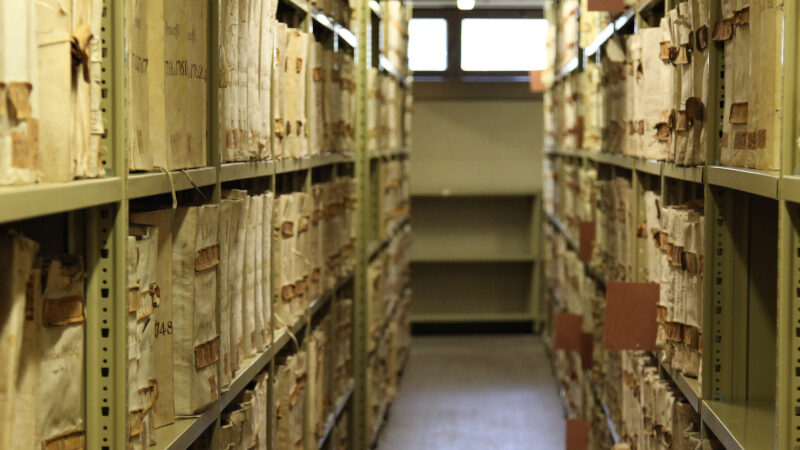
A Privileged Peep Hole into the Past: Why large numbers of testaments are needed and how exceptions to rules can be relevant
Read More: A Privileged Peep Hole into the Past: Why large numbers of testaments are needed and how exceptions to rules can be relevantI have just returned from a short stint in the Archivio di Stato di Firenze (ASF), 18 September to 2 October. It may be my last archival collecting of testaments for the project, at least in the ASF. The purpose was to increase the sample size of my last quartile of Pisan testaments,1501-25. These records within…
-
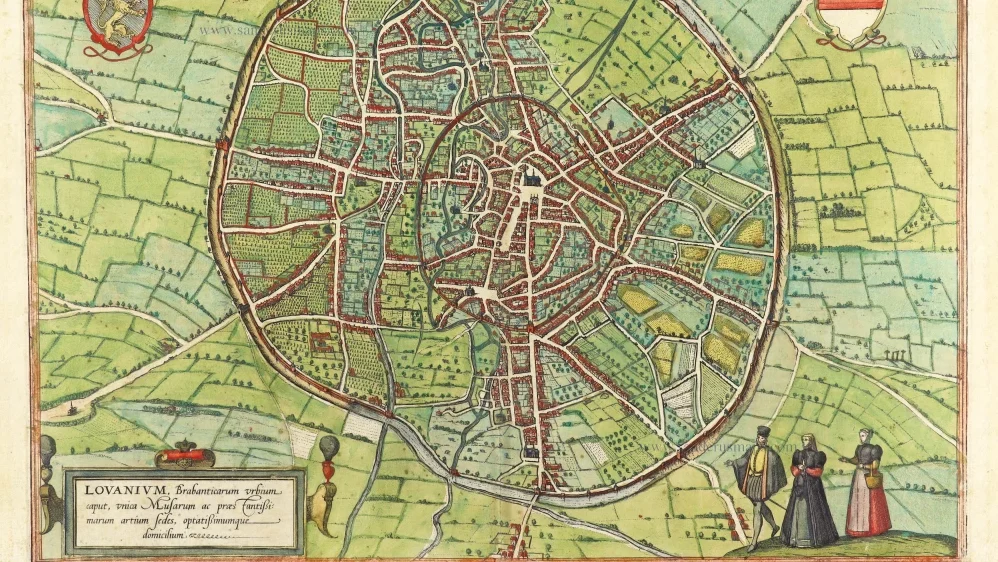
Globetrotter Baker: an Expat Life on Paint and Thread
Read More: Globetrotter Baker: an Expat Life on Paint and ThreadExpats have loosen roots and look for peers to reconstruct a sense of community and navigate everyday life together. Here is Augustinus’ story… from 1450s. Augustinus de Lovana was a 15th c. baker from today’s Flemish Brabant, in Flanders. This area has long been a crossroads of cultures, languages, and travellers. In the Middle Ages, artisans, merchants, and workers frequently…
-
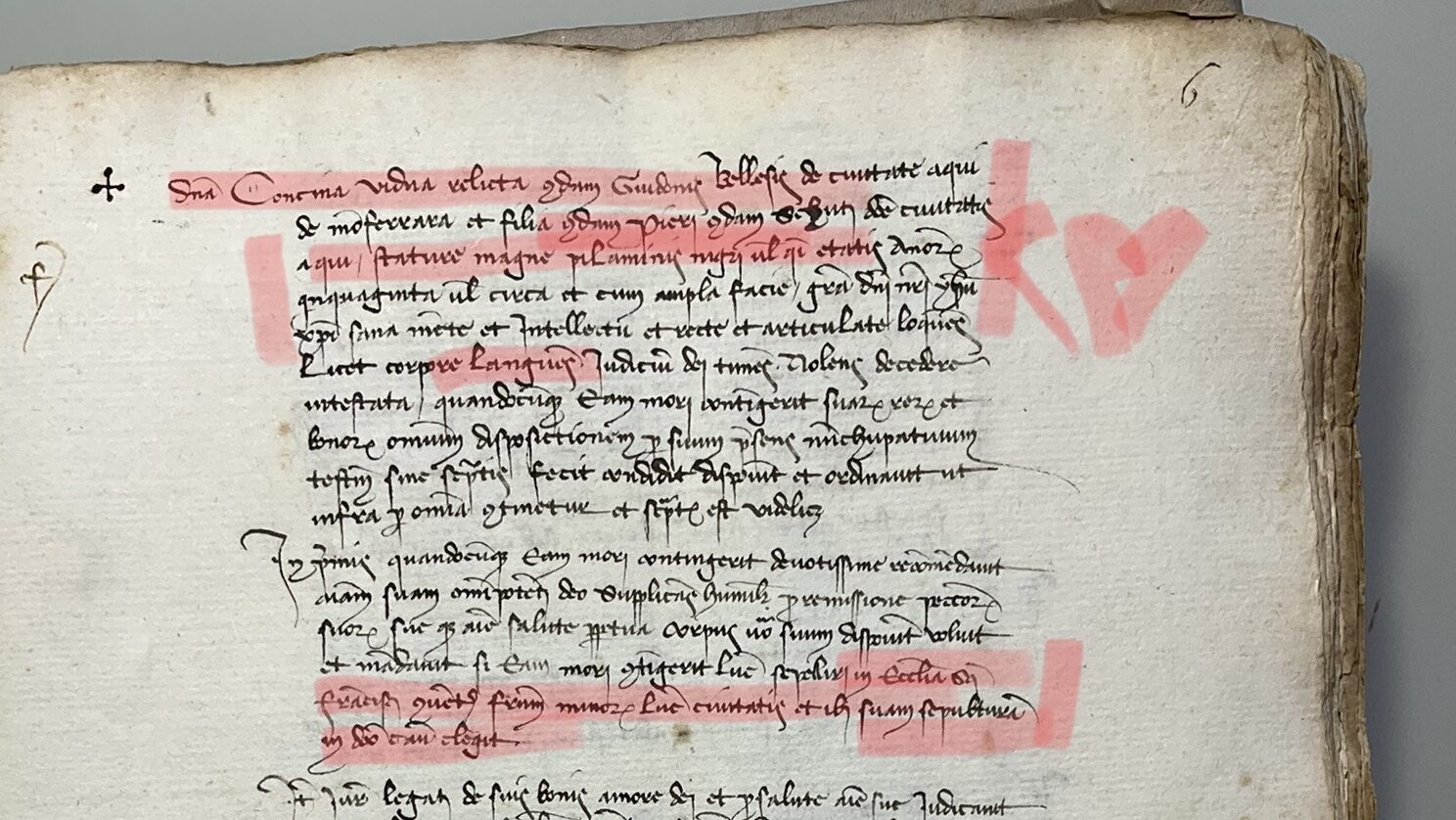
Meet Concima: a self-portrait from 1400s to defeat time and oblivion
Read More: Meet Concima: a self-portrait from 1400s to defeat time and oblivionMedieval wills are precious mines of information for historians, art historians, scholars of fashion and material culture, but also for sociologists, anthropologists, economists.Behind the dryness of notarial formulas lie glimpses of real life—human relationships, emotions, hopes for life after death, and for the lives of those who would remain on Earth. Journeys and ventures of various…
-
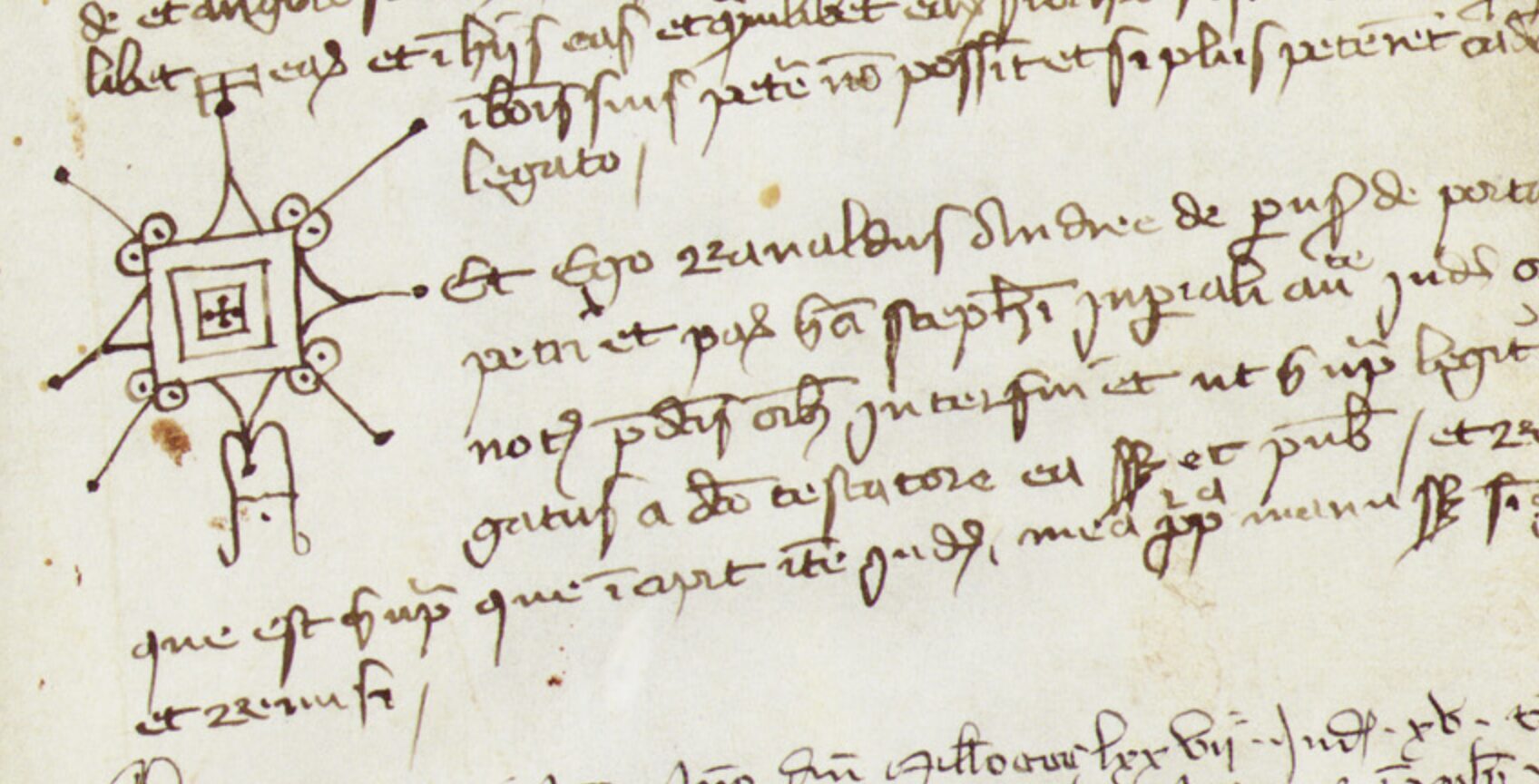
What’s your sign? The notary’s signum tabellionis
Read More: What’s your sign? The notary’s signum tabellionisAll the documents our project looks at have one thing in common – they were drawn up by a notary. In medieval Italy, notaries played a crucial role in the personal, commercial and civic lives of every individual. They were responsible for drafting, authenticating, and preserving official documents such as contracts of all kinds, deeds,…
-
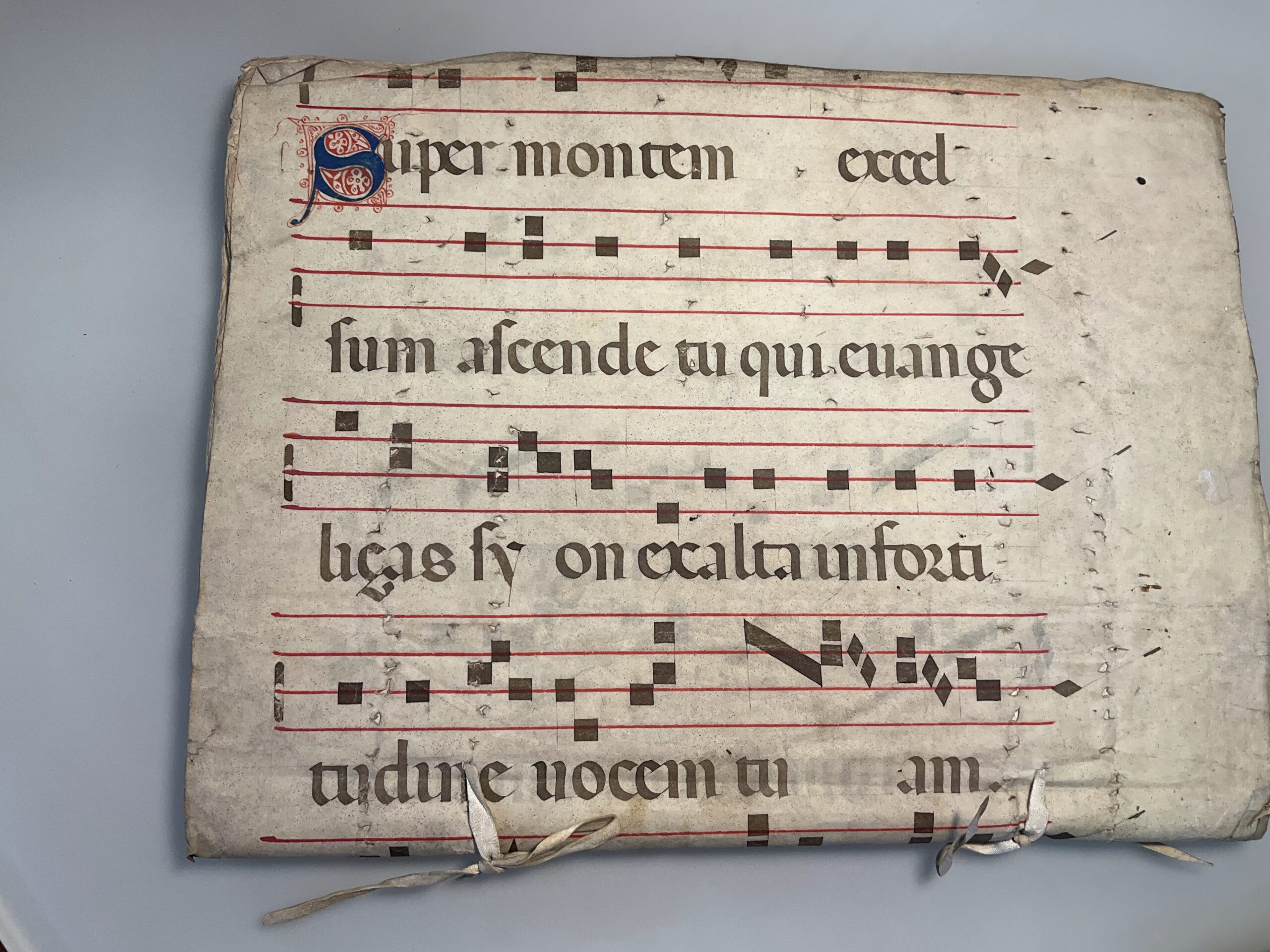
Waste and Reuse: unexpected covers and music on 14th c. notarial books
Read More: Waste and Reuse: unexpected covers and music on 14th c. notarial booksWaste and reuse are key topics in modern consumer society, but in the Middle Ages, there was no discussion around them. Considering the high cost of producing new objects, everything had to be reused, recycled, or transformed down to the very last bit. Parchments were made from animal skins (sheep, goat, or calf) and were…
-
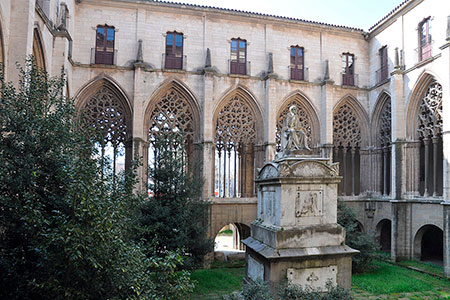
A Testament in Stone: Guillem Castelló’s Columns in the Cloister of Vic
Read More: A Testament in Stone: Guillem Castelló’s Columns in the Cloister of VicHave you ever walked through the cloister of Vic Cathedral and noticed a group of three slender Gothic columns marked at their base with a small coat of arms depicting a castle? These aren’t just decorative elements. They are the material legacy of a fourteenth-century canon who ensured his memory would be carved into the…
